
Melasma vs Hyperpigmentation: Understanding the Difference & Treatment Options
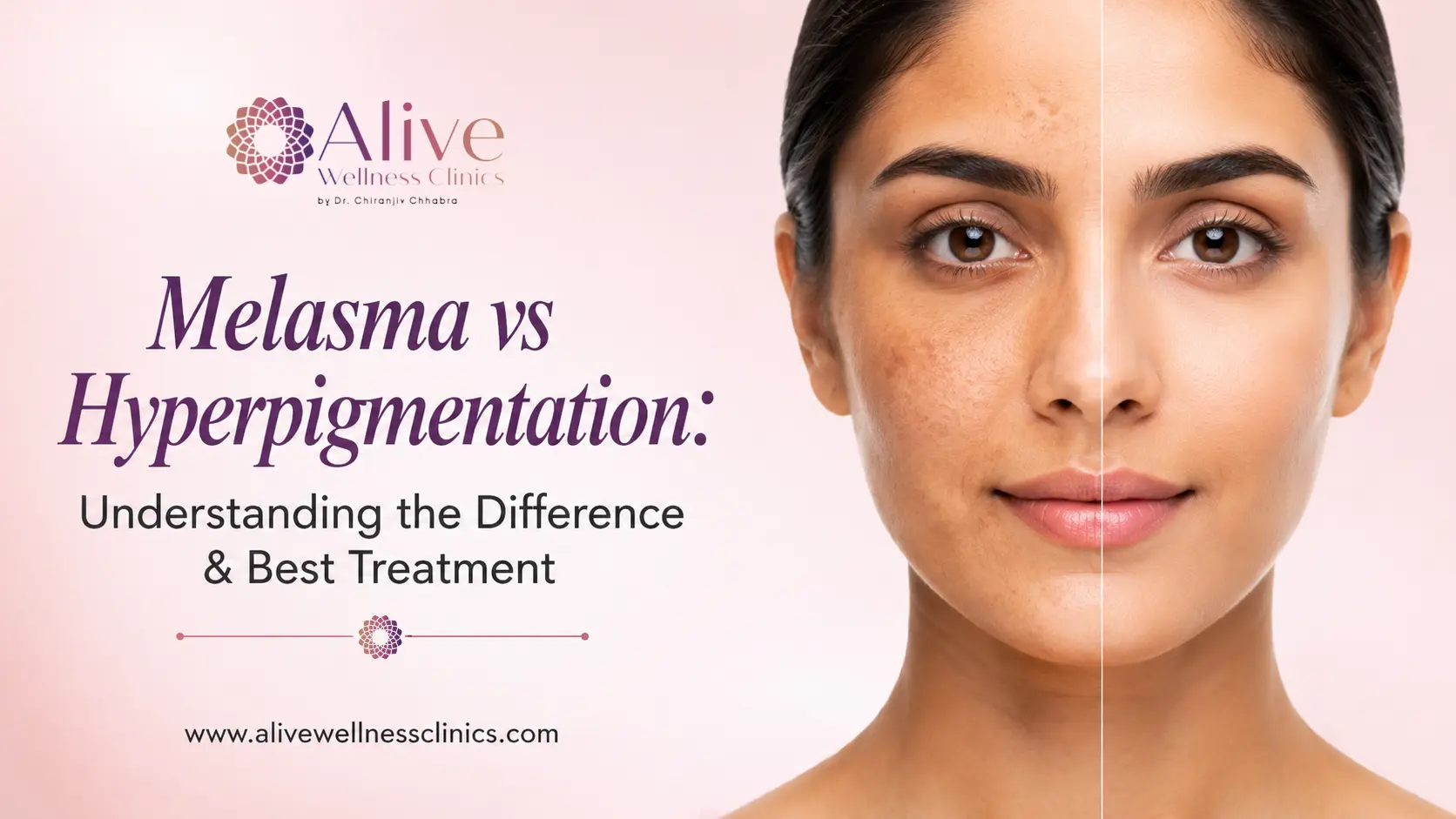
Not every dark spot on your skin is created equal. Many people think all pigmentation is the same, but there are actually different types, and each needs its own kind of treatment. Two of the most common skin issues are melasma and hyperpigmentation. Even though they might seem similar, they have different causes, look different, and respond to different treatments.
Knowing the difference between melasma and hyperpigmentation is the first step in picking the right skincare products and treatments. Getting the right diagnosis helps lead to better results and a more even skin tone.
What is Melasma?
Melasma is a skin condition that causes dark patches on the skin because of a high quantity of melanin present, which is the pigment that gives skin its color. It is a type of pigmentation that usually shows up when skin is exposed to the sun for a long period, especially on the face. Which form bigger, symmetrical patches.
Melasma often happens when the cells that make pigment are too active. Things like hormonal changes, exposure to too much sun, and heat can cause this. While anyone can get melasma, it's more common in women, especially during pregnancy or when taking birth control pills. People with medium to darker skin tones have more chances to get it.
The most obvious sign is the appearance of flat brown, grey-brown, or tan patches on the cheeks, forehead, nose, upper lip, and chin. Melasma skin is usually smooth, and there's no itching, pain, or bumps; the only change is uneven skin. Although melasma isn't contagious, it can affect how someone feels about themselves. Getting an early diagnosis and the right treatment can help lighten the pigmentation and improve the skin.
Melasma Treatment Causes
Melasma development depends on many factors, and in some cases, it is caused by both internal and external factors. Some of the most common factors that contribute to melasma include:
Hormonal changes: The most common trigger of melasma.
Pregnancy: Hormonal fluctuations during pregnancy can lead to melasma.
Birth control pills: Some people may develop melasma while taking oral contraceptives.
Genetics: The development of melasma also depends upon genetics, especially if it runs in the family.
UV exposure: Exposure to ultraviolet rays stimulates melanin production and can worsen pigmentation.
Heat: Heat is an environmental factor that can trigger or intensify melasma.
Certain medications: Some drugs that make the skin react more sharply to the sun can set off melasma or make it worse.
Melasma Treatment Options
Topical Medications
Prescription creams are usually the first choice for treating melasma when the condition is mild to moderate.
These creams often contain ingredients like hydroquinone, azelaic acid, and retinoids.They work by reducing the amount of melanin produced, lightening dark spots, and helping to even out skin tone over time. It's important to use these medications as directed by a dermatologist.
Cosmelan Peel Treatment
The Cosmelan Peel is a professional treatment that helps reduce existing pigmentation and control melanin production.
It can make melasma less noticeable, brighten the skin, and decrease the risk of it coming back if used along with a proper skincare routine and sun protection.
Intense Clarity Laser Treatment
Intense Clarity Laser Treatment is a more advanced option for treating melasma. It uses laser technology to target stubborn pigmentation while keeping the surrounding skin as undamaged as possible. This treatment is often suggested for deeper or more persistent melasma and works best when included in a custom treatment plan created by a dermatologist.
What is Hyperpigmentation?
Hyperpigmentation is a common skin issue. In which parts of the skin become darker because of high production of melanin. It can happen to anyone, regardless of skin color, and can show up anywhere on the face or body.
Hyperpigmentation usually happens when the skin reacts to things like pimples, cuts, burns, inflammation, sunburn, or certain health issues.
During the healing process, the skin makes extra melanin, which leads to dark spots, patches, or uneven skin tone.
There are different kinds of pigmentation problems. Each one has its own cause, but they happen due to an imbalance of melanin that the skin makes. Knowing what hyperpigmentation is and understanding why it happens is important because the treatments can be different depending on the type and how severe it is.
Hyperpigmentation Causes
Acne marks: One of the most common triggers, often leaving dark marks after breakouts heal.
Skin injuries: Cuts or injuries can leave behind lingering pigmentation during the healing process.
Burns: Burns may cause dark patches as the skin repairs itself.
Inflammation: Inflammatory skin conditions can result in post-inflammatory pigmentation.
Sun exposure: Excessive sun exposure stimulates melanin production and makes dark spots more visible over time.
Ageing: With age, the skin becomes more prone to developing dark spots because of years of sun exposure.
Medical conditions: Certain underlying health conditions may also contribute to uneven skin pigmentation.
Proper diagnosis: Since every case is different, finding the actual cause is the first step toward choosing a treatment that delivers.
Recommended Hyperpigmentation Treatment Options
Chemical Peels
Chemical peels for pigmentation help remove the outer layer of dead skin cells and lighten dark spots by promoting the growth of new skin.
These treatments are usually suggested for light to moderate pigmentation and can help make the skin tone more even and smoother.
Intense Clarity Laser Treatment
Intense Clarity Laser Treatment is a type of laser therapy used for pigmentation.
It targets the extra melanin in the skin without harming the surrounding areas. It is often used for tough pigmentation issues and delivers good results with little recovery time.
Cosmelan Peel Treatment
The Cosmelan Peel is a professional treatment aimed at tackling deeper or persistent pigmentation.
It works by controlling the production of melanin, reducing existing dark spots, and enhancing the skin’s clarity. With proper care after treatment, it can also lower the risk of pigmentation returning.
Medical Skincare
Dermatologists often recommend medical-grade skincare products that contain ingredients like vitamin C, retinoids, azelaic acid, or tranexamic acid.
These products can help lighten pigmentation, brighten the skin, and support the long-term benefits of professional treatments.
HydraFacial Treatment
A HydraFacial is not a direct treatment for pigmentation, but it helps clean, exfoliate, and hydrate the skin.
It can improve skin health and is often used in combination with other pigmentation treatments to keep the skin looking bright and healthy.
Daily Sunscreen
Applying broad-spectrum SPF 50+ sunscreen every day is a key step in managing pigmentation. It shields the skin from UV rays, prevents existing pigmentation from darkening, and helps preserve the results of professional treatments.
Melasma vs Hyperpigmentation: What's the Difference?
Feature | Melasma | Hyperpigmentation |
|---|---|---|
Cause | Hormonal change and sun exposure | Acne, injury, burns, aging, or medical conditions |
Appearance | Grey-brown patches | Dark spots, irregular patches |
Common Areas | Cheeks, forehead, upper lip | Can occur anywhere on the face or body |
Trigger | Hormones, UV rays | Acne, skin injury, inflammation |
Treatment | Combination of topical treatments, chemical peels, and sun protection | Depends upon severity of pigmentation |
Recurrence | High | Moderate |
Common Areas Affected by Melasma & Hyperpigmentation
Melasma on the Face
Melasma typically appears on the face, forming symmetrical patches of darkened skin on the cheeks, forehead, nose, upper lip, and chin. The skin texture remains normal, but the colour changes.
Hyperpigmentation on Cheeks
Dark spots on the cheeks are often due to acne scars, pigmentation left after skin inflammation, or long-term sun exposure.
Hyperpigmentation on Forehead
Dark patches on the forehead can be caused by sun exposure, changes in hormone levels, or irritation from skincare products.
Hyperpigmentation Around Chin
Darkening around the chin is often linked to hormonal imbalances, acne, friction from touching the face, or irritation from shaving.
Hyperpigmentation on Neck
Dark areas on the neck may result from rubbing, too much sun exposure, or medical conditions like insulin resistance.
Hyperpigmentation on Lips
Darkening of the lips is usually related to smoking, exposure to UV rays, lack of moisture, certain medications, or genetic factors.
Hyperpigmentation on Legs
Dark patches on the legs often form after insect bites, burns, injuries, shaving, or skin inflammation.
Hyperpigmentation and Melasma Treatment Cost
The cost to treat melasma and hyperpigmentation can be different for each person since every case is unique. The kind of pigmentation, the method used for treatment, and how many sessions are needed all play a role in determining the total cost.
The prices below are generalised Melasma and Hyperpigmentation treatment estimates and may vary based on your specific skin condition and treatment requirements.
How to Prevent Melasma & Hyperpigmentation
Preventing pigmentation is often easier than treating it. Factors like genetics and hormonal changes cannot be controlled, but the following are a few simple daily habits that can help reduce the risk of new pigmentation and keep existing dark spots from becoming darker.
Apply SPF 50+ daily: Use sunscreen every day to protect your skin from harmful UV rays.
Avoid excessive sun exposure: Stay out of direct sunlight during peak hours and wear protective clothing.
Follow a medical-grade skincare routine: Use Products recommended by a dermatologist according to your cause
Don't scratch your skin: Picking acne or scratching the skin can lead to hyperpigmentation and dark marks.
Maintain a healthy lifestyle: Eat a balanced diet, stay hydrated, manage stress, and get enough sleep to support healthy skin.
Schedule regular dermatologist follow-ups: Routine check-ups help monitor your skin.
Be consistent with your treatment: Following your prescribed skincare routine and aftercare instructions helps maintain results and reduces the chances of pigmentation returning.
Conclusion
Choosing the right treatment is important because, before starting the treatment, it is important to know what the actual problem is: melasma or hyperpigmentation. While both conditions involve excess pigmentation, they require different treatment approaches. An accurate diagnosis by an experienced dermatologist can help you achieve a better cure and long-lasting results
At Alive Wellness Clinics, we provide personalized solutions to all your issues using advanced treatments and different kinds of laser and peel treatments supported by medical-grade skin care. This gives you healthy, radiant skin. You can also explore our different treatments. If you're looking for expert care for your skin, visit our page and book a consultation to begin your journey toward clear and glowing skin.