
Anti Ageing
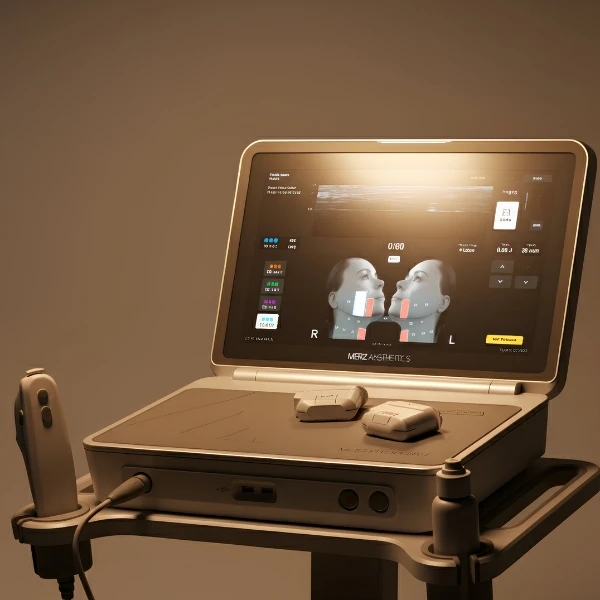
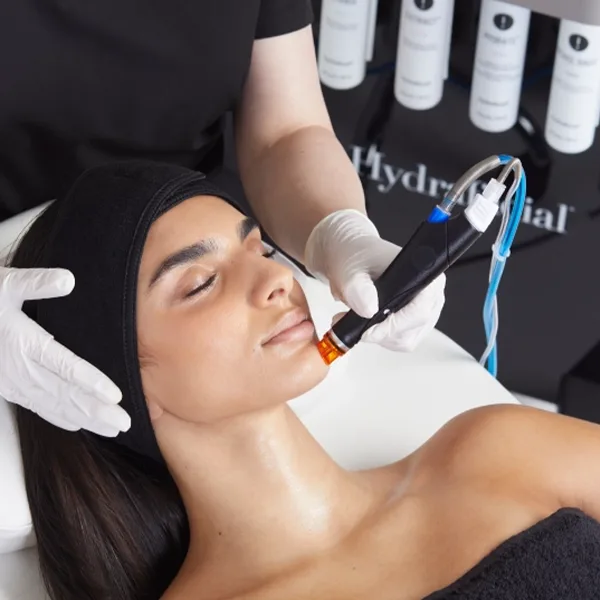
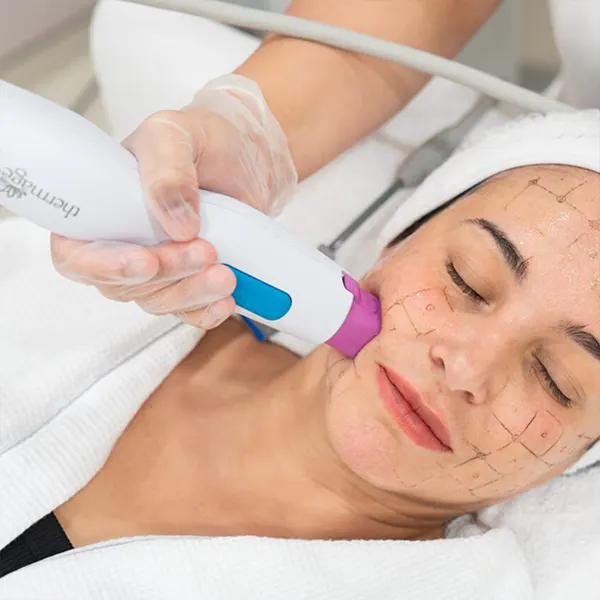
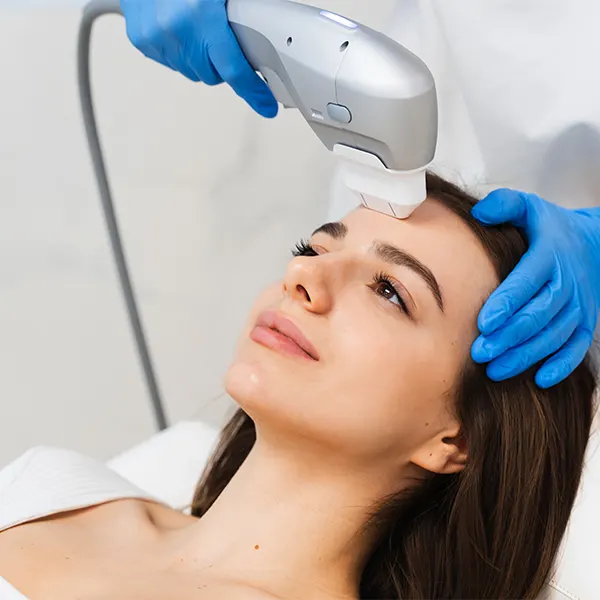
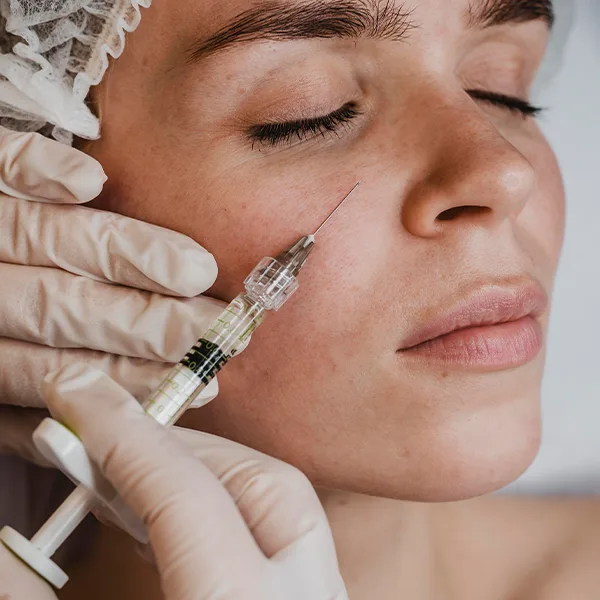
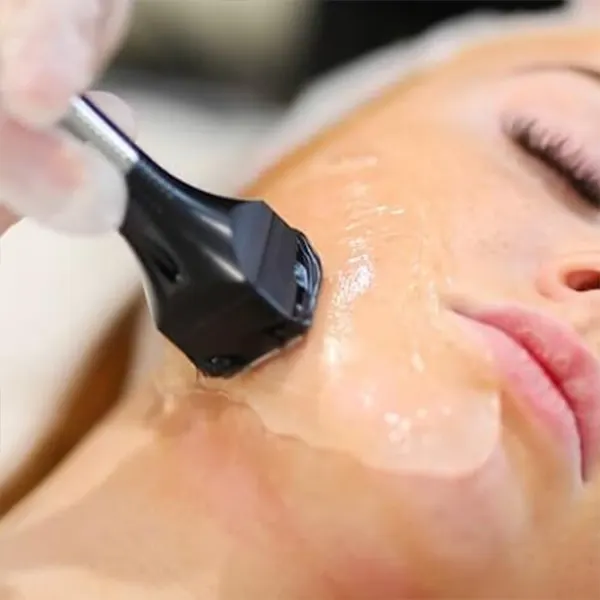
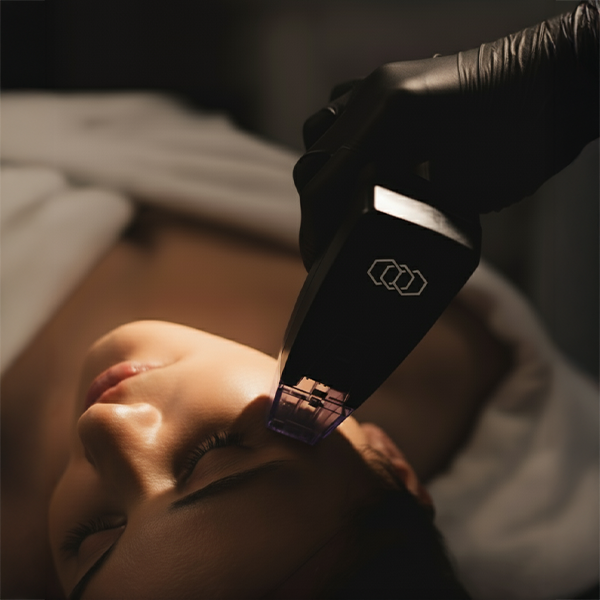
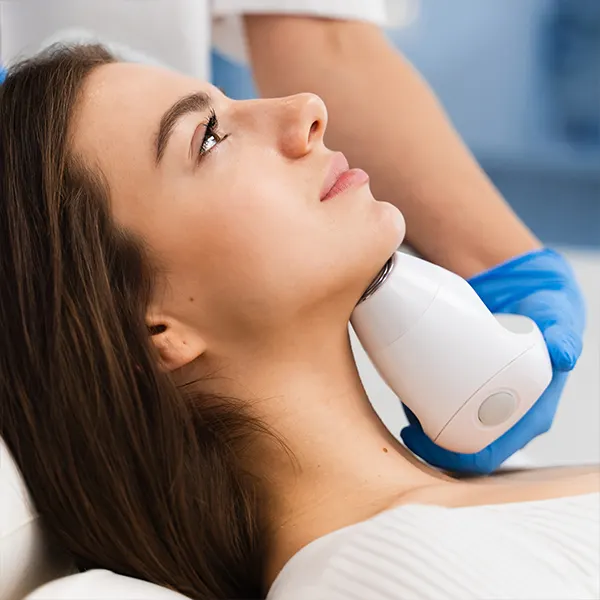
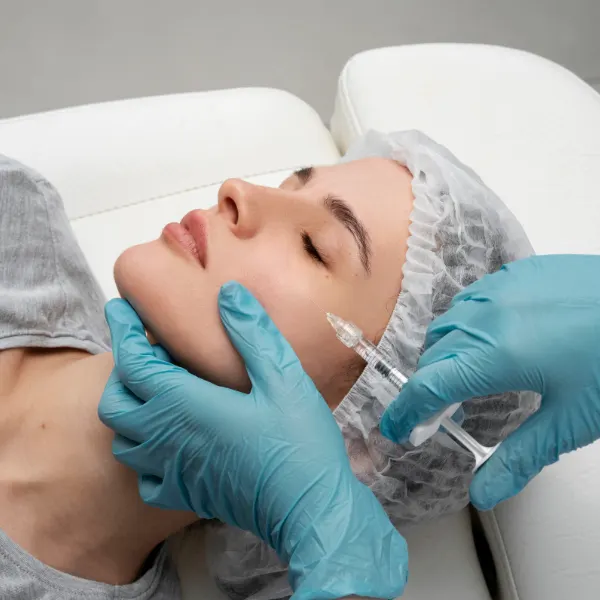
At Alive Wellness Clinics, we combine advanced dermatology with cutting-edge technology to deliver visible, long-lasting results. Our expert dermatologists offer a wide range of injectable and device-based procedures designed to rejuvenate your skin, reduce fine lines, and restore youthful firmness. From Botox and dermal fillers to advanced technologies like Ultherapy and Exilis, every treatment is customised to your unique skin needs. Experience the art and science of ageing gracefully at Alive Wellness Clinics, where innovation, expertise, and care come together for timeless, radiant skin.
Types of anti ageing Treatments
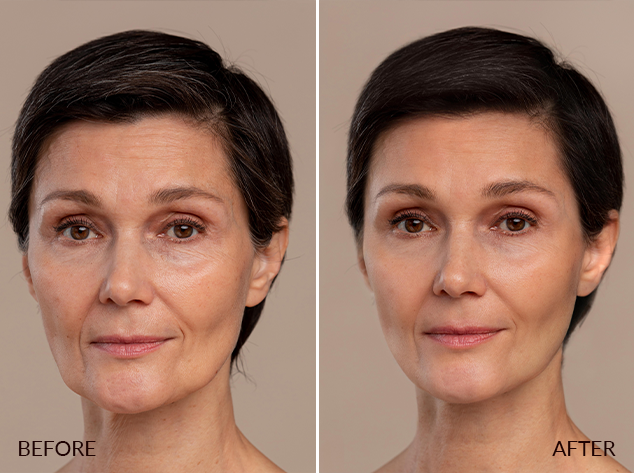
We offer advanced anti-ageing solutions that effectively work on ageing signs and restore facial volume, and enhance overall skin texture, giving you youthful, glowing skin.
Anti Pigmentation Treatment in Delhi
Clear, even-toned skin plays a key role in overall confidence, but concerns like dark spots, melasma, tanning, and uneven skin tone are quite common. These issues are often caused by sun exposure, hormonal changes, acne marks, or aging, and usually don’t improve fully with home remedies alone.
At the Alive Wellness Clinics, we provide the best anti-pigmentation treatments available under the supervision of a qualified dermatologist in New Delhi.
Our treatment programs to remedy your pigmentation issues combine laser technology, custom chemical peels, and medical-grade skincare to create a custom treatment plan for you, based upon your individual skin type and specific skin concerns.
Our goal is to target excess melanin at the root and deliver visible, long-lasting results with minimal downtime.
What is Anti-Pigmentation Treatment?
Anti-pigmentation treatments are methods recommended by dermatologists to decrease excess melanin, which causes dark spots, patches, and an uneven skin tone. Pigmentation can appear because of things like sun exposure, changes in hormones, acne scars, tanning, and other reasons. Today's treatments aim to make existing pigmentation less noticeable and help manage the body's production of melanin to lower the chance of new pigmentation forming.
These treatments often tackle issues like sun spots, melasma, acne-related marks, and unwanted tanning. Since pigmentation can differ in how deep it is and how severe it is, a dermatologist can suggest the best treatment option for your specific skin condition.
Common Types of Pigmentation
Pigmentation can occur due to many different reasons. Here are four common types of pigmentation:
1. Melasma
Melasma is a common type of pigmentation found on the face, chest, and other parts of the body. Melasma is caused by hormonal changes such as pregnancy or the use of birth control pills and is most often found on the cheeks, forehead, and upper lip. Melasma appears as patches of brown or gray skin.
2. Sunspots
Sunspots or solar lentigines are dark patches formed by long-term exposure to sunlight. Sunspots are most commonly found on the face, hands or other areas that have been chronically exposed to sunlight.
3. Post-inflammatory hyperpigmentation (PIH)
Post-inflammatory hyperpigmentation (PIH) is commonly seen as a disorder that develops after an injury or inflammation to the skin. Common types of injuries that lead to PIH include those caused by acne (including all forms of acne), cuts, burns and other injuries to the skin.
4. Freckles
Freckles appear as small brown dots and can occur anywhere on the body. Freckles will appear darker after receiving long-term exposure to sunlight, and most freckles are considered to be genetically determined.
5. Hyperpigmentation:
Hyperpigmentation is a common skin condition in which certain areas of the skin become darker than the surrounding skin due to excess melanin production. It can develop because of prolonged sun exposure, acne, skin injuries, hormonal changes, certain medications, or underlying medical conditions. Hyperpigmentation can appear as patches or spots on the face and body and may vary in size, colour, and severity depending on the underlying cause.
Causes of Facial Pigmentation & Uneven Skin Tone
Sun Exposure:
One of the most significant factors contributing to pigmentation is your long-term exposure to UV light. Exposure to UV light will stimulate excess melanin production, resulting in uneven skin tone, sunspots, and tanned skin.
Hormonal Changes:
Changes in hormones can cause increased production of melanin and an increase in the incidence of female hormonal action (bacterial) conditions such as malaria, which can lead to pigmentation.
Acne & Skin Inflammation:
Post-inflammatory hyperpigmentation (PIH) occurs after acne, injuries, or skin irritation, leaving behind dark marks.
Aging:
As the skin ages, melanin distribution becomes uneven, leading to age spots and dull skin.
Genetic Factors:
Some individuals are genetically predisposed to pigmentation, making them more prone to developing dark spots and uneven skin tone.
Benefits of Professional Anti Pigmentation Treatment
Reduces dark spots and pigmentation
Improves uneven skin tone
Enhances skin clarity and brightness
Promotes smoother skin texture
Boosts confidence
Does pigmentation treatment improve overall skin quality?
Yes, most advanced pigmentation treatments not only target dark spots but also improve overall skin health. They stimulate collagen production, enhance skin texture, and promote cell renewal, resulting in smoother, brighter and more youthful-looking skin.
This is why many treatments are also considered part of broader skin rejuvenation procedures.
FAQs About Anti Ageing
Pigmentation can be significantly reduced and even cleared with the right treatments. However, some types like melasma may return due to triggers such as sun exposure or hormones. Long-lasting results depend on proper skincare, sun protection, and maintenance.
Ready to Start Your Wellness Journey?
Book a personalised consultation with our experts and discover treatments tailored to your goals.