
Regenerative Services
Regenerative medicine introduces a science-driven approach to restoring damaged tissues through the power of stem cells and cellular repair. It harnesses the unique abilities of stem cells, i.e., self-renewal and differentiation, allowing the body to heal without relying solely on scar formation. Though the natural regenerative capacity in adults is limited, this field aims to use the latent potential of our cells to repair and rebuild tissue. As we age, the physiological and aesthetic changes we experience can feel challenging, even when we embrace the wisdom that comes with time. Regenerative treatments offer a promising solution by supporting the body’s natural healing processes. They help repair, restore, and rejuvenate tissues, allowing us to age gracefully with a fresher appearance and renewed vitality.
Types of regenerative services Treatments
Harnessing your body’s natural ability to repair joints, restore skin, strengthen hair, and accelerate healing.
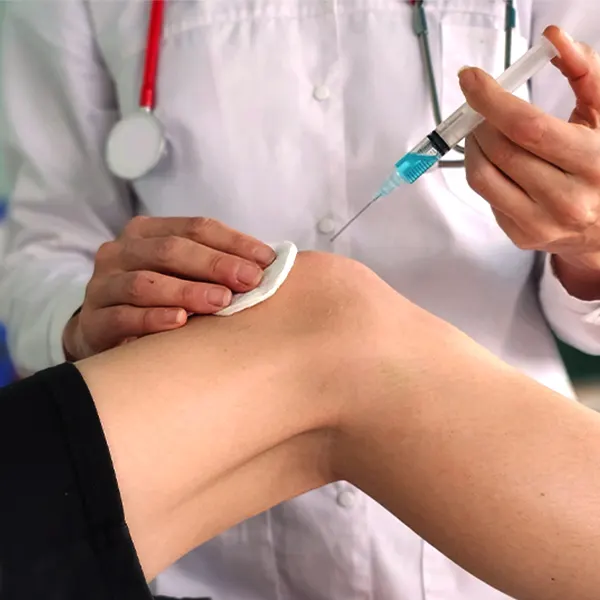
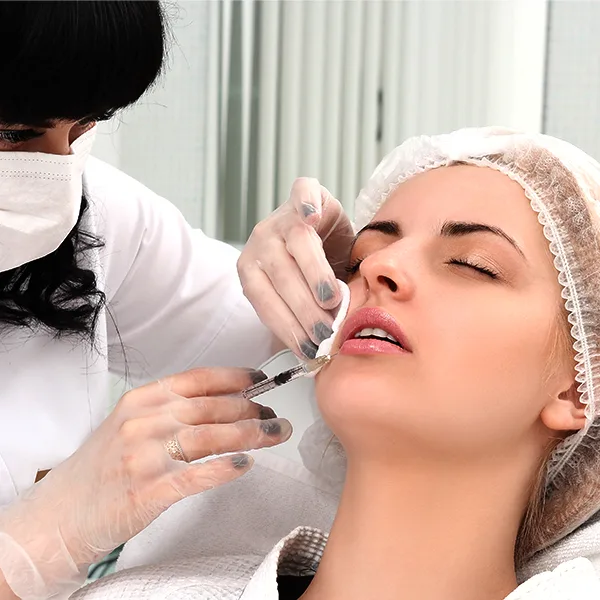
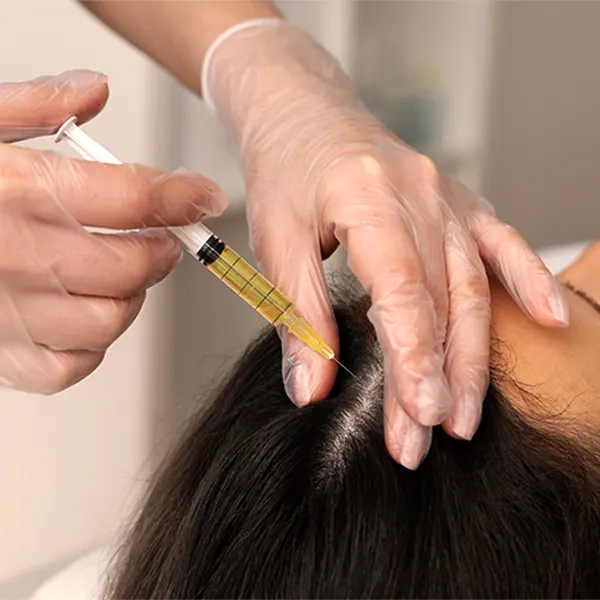
What treatments are available in the field of regenerative aesthetics?
Regenerative aesthetics offers a range of innovative treatments to combat the signs of ageing. Here are some of the most popular options:
Autologous Stem Cell Therapy
Stem cells are quite unique cells capable of differentiating into various cell types. When infused into the skin, they can stimulate collagen production, improve skin texture, and reduce wrinkles.
Platelet-Rich Plasma (PRP) Therapy
PRP therapy involves drawing a small amount of blood from the patient, processing it to concentrate platelets, and then re-injecting it into the treatment area. Platelets release growth factors that promote tissue repair and rejuvenation.
Growth Factor Therapy
Growth factors are proteins that regulate cell growth and differentiation. When applied topically or injected, they can stimulate collagen and elastin production, leading to firmer, smoother skin.
Exosome Therapy
Exosome therapy harnesses the power of tiny cellular messengers called exosomes to promote healing and rejuvenation. These exosomes, derived from stem cells, carry growth factors and other beneficial molecules that can repair damaged tissues and improve overall skin health.
FAQs About Regenerative Services
Regenerative medicine harnesses the body’s repair mechanisms by using stem cells, exosomes, or their derivatives to treat damaged, diseased, or dysfunctional tissues.
Ready to Start Your Wellness Journey?
Book a personalised consultation with our experts and discover treatments tailored to your goals.