
Why Choose Regenerative Therapy?
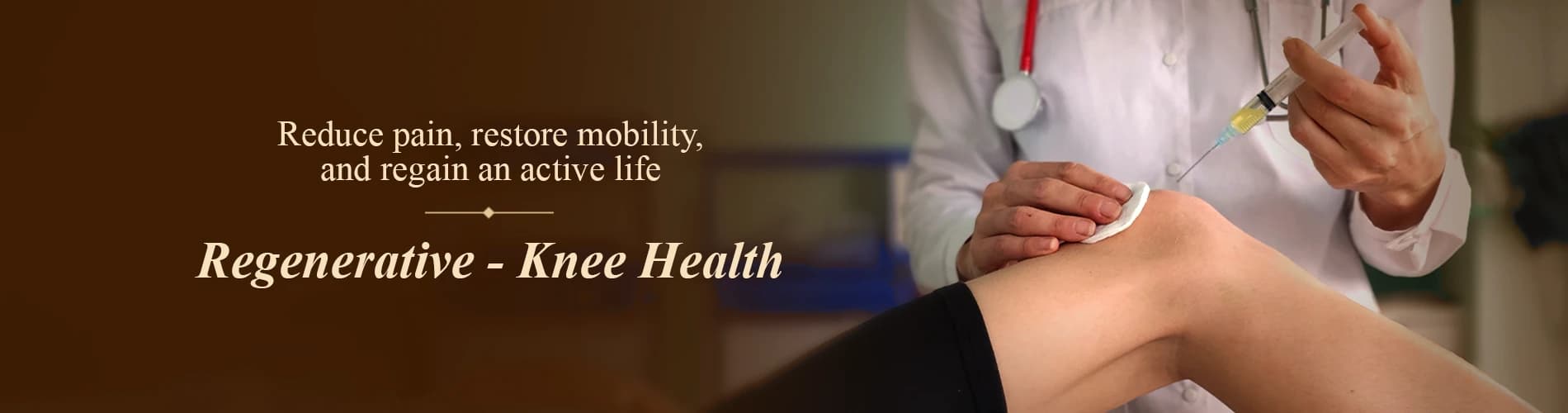
Regenerative therapy for knee pain utilises the body’s natural healing mechanisms to restore knee joint function, reduce pain, and improve the patient’s quality of life. This therapy uses approved stem cells and platelet-rich plasma (PRP), which can stimulate tissue repair and regeneration. Regenerative therapy provides long-lasting results by reducing inflammation and promoting the growth of new tissue.
Understanding Arthritis
Arthritis refers to a group of over 100 different conditions affecting the joints, which cause pain, swelling, and stiffness and significantly affect the person’s quality of life. Though traditional treatments can manage the pain and improve function to some extent, they typically cannot restore damaged tissue or stop the progression of joint deterioration.
Osteoarthritis
Osteoarthritis is the most common form of arthritis. It occurs when the cartilage that cushions your joints gradually wears down due to normal wear and tear. This deterioration of cartilage leads to several issues:
Pain and Stiffness
Bone Spurs
Weakening of Connective Tissues
Traditional management of osteoarthritis includes medications, physical therapy, and lifestyle adjustments. However, these treatments typically provide only symptomatic relief and do not address the underlying cause or halt disease progression.
Rheumatoid Arthritis
Rheumatoid arthritis is a type of autoimmune arthritis, where the immune system attacks the joint lining known as synovium. This results in chronic inflammation, which can cause significant damage over time. Rheumatoid arthritis can manifest as:
Inflammation and swelling.
Reduced joint mobility.
Fatigue, fever, and loss of appetite.
Traditional treatments focus on managing symptoms and improving function but often fall short of reversing joint damage. Emerging treatments like regenerative therapy offer hope for better management and potential restoration of joint health, providing a more comprehensive approach to dealing with these debilitating conditions.
Regenerative Treatment Options
These treatments work on osteoarthritis, degenerative changes in joints and also in few injuries
Platelet-Rich Plasma (PRP) Therapy
PRP utilises your body’s own healing abilities. In this procedure a sample of your blood is taken and centrifuged. The concentrated blood platelets and growth factors are then injected into the arthritic joint. PRP has shown promising results in the treatment of knee pain and knee arthritis. The growth factors in PRP can promote the formation of new tissue, reduce inflammation, and accelerate healing. PRP therapy is a more natural and less invasive approach to managing joint pain.
Ciplostem Stem Cell Injections
Stem cells rich in lipids, multipotent cells, hyaluronic acid, and cytokines are injected. It can provide significant benefits for inflamed arthritic joints. These stem cells stimulate the creation of new tissue, leading to reduced pain and inflammation. These stem cell injections are a much better alternative to corticosteroid injections, as corticosteroid injections offer temporary pain relief but can contribute to further cartilage degradation. However, regenerative stem cell injections provide a safer and more long-term solution for arthritic joints. This innovative therapy holds great potential for individuals suffering from knee pain, knee stiffness, swelling knee, and even frozen shoulder.