
5 Signs You May Need Sculptra: Is It Right for You?
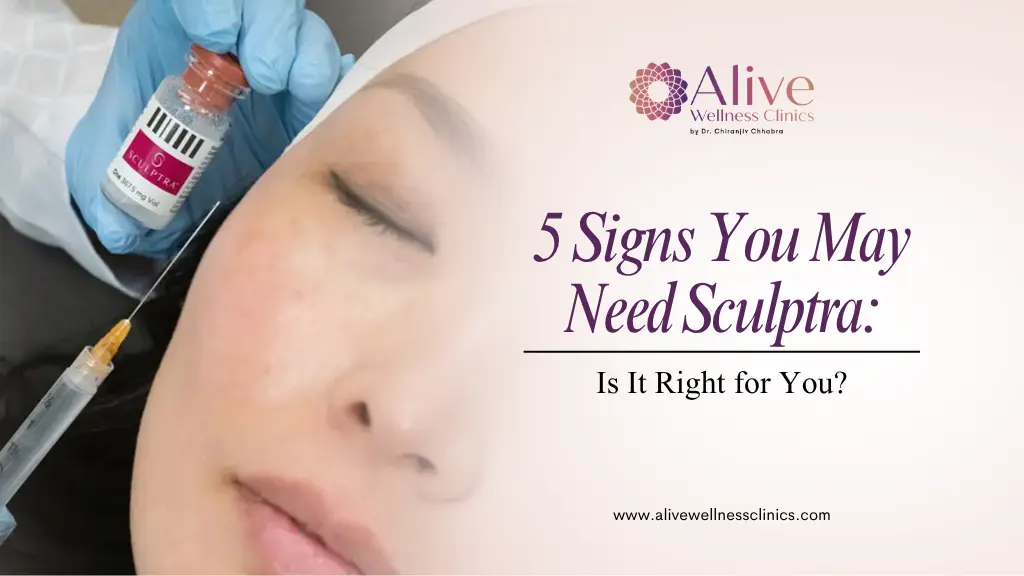
Ageing does not necessarily look like a line on the face. The hollowing of the cheeks and softening of the jawline may become more apparent, and the skin feels less plump than it used to. Such changes tend to occur due to a decrease in collagen and facial volume, rather than the formation of one specific wrinkle.
You may need Sculptra Treatment if you notice flat or hollow cheeks, a softer jawline, thinner or less firm skin, more visible lines and folds, and you prefer gradual results. Unlike conventional fillers that provide direct volume, Sculptra is a poly-L-lactic acid (PLLA) collagen stimulator that stimulates collagen production over time, helping to tighten up facial support and provide a rejuvenated appearance.
What Is Sculptra and How Does Sculptra Work?
Sculptra is an injectable treatment containing poly-L-lactic acid (PLLA). It belongs to a group of treatments called collagen biostimulators.
So, how does Sculptra work? It works quite differently from a traditional hyaluronic acid filler. Rather than immediately filling a hollow or wrinkle, Sculptra is injected into selected areas to stimulate a gradual collagen response.
As collagen production increases, the skin can become more supported and facial volume may gradually improve. This is why Sculptra for collagen production is often considered when the concern is broader facial ageing rather than one isolated line.
The change isn’t instant, and that’s actually the point. Clinical studies have found improvements in facial volume and skin quality following the treatment, although the available evidence is not perfect and individual results can vary.
5 Signs You May Be a Good Candidate for Sculptra
1. Do You Have Flat or Hollow Cheeks?
Loss of facial volume can make the cheeks appear flatter or more hollow than before. Sculptra for facial volume loss may be considered when the goal is to gradually improve support and restore a fuller-looking appearance.
2. Has Your Jawline Started Looking Softer?
A softer jawline can be influenced by changes in facial volume, collagen loss, and skin laxity. Sculptra may help improve the overall support and contour of the lower face over time.
3. Does Your Skin Look Thinner or Less Firm?
As collagen production declines, the skin can gradually become thinner and lose some of its firmness. Sculptra may be considered when improving skin quality and structural support is part of the treatment goal.
4. Are Lines and Folds Becoming More Visible?
Some facial lines and folds become more noticeable as the surrounding tissue loses volume and support. In selected cases, improving underlying support may help soften their appearance.
5. Do You Prefer Gradual Results?
Sculptra is not designed to create an immediate transformation. Its effects develop gradually as collagen production increases, making it more suitable for people who prefer a subtle progression in their appearance.
What Areas Can Sculptra Treat?
A Sculptra face treatment plan isn’t identical for everyone. The areas selected depend on where volume and structural support have changed.
Area | What Sculptra may help address |
Cheeks / mid-face | Loss of volume and a flatter appearance |
Temples | Selected cases of hollowing |
Lower face | Changes associated with volume loss and ageing |
Jawline | Selected concerns involving facial support and contour |
Cheek lines and folds | Appearance of folds associated with volume loss |
Sculptra isn’t simply injected wherever a wrinkle appears. Placement and treatment planning depend on your facial anatomy, concerns, and desired outcome.
What Can You Expect From the Sculptra Procedure?
Your Sculptra procedure begins with an assessment of your facial structure, skin quality, areas of volume loss, and treatment goals.
Once the treatment plan is decided, Sculptra is administered through precise injections into the selected treatment areas.
How Is Sculptra Injected?
The product is placed through carefully planned injections into specific areas based on facial anatomy and the desired treatment outcome. The exact technique and injection points are determined by the treating professional.
Some temporary swelling, redness, bruising, or tenderness may occur after treatment. Less common issues such as nodules can also occur, which is why proper technique, placement, and following aftercare instructions are important.
What Do Sculptra Before and After Results Look Like?
Sculptra before and after results should not necessarily look like two completely different faces. The aim is generally a gradual improvement in facial support and appearance rather than an abrupt change.
Early swelling can temporarily affect how the face looks, while the longer-term result develops progressively. Consistent photographs taken under similar lighting and angles can give a more realistic comparison.
Sculptra vs Traditional Dermal Fillers: What Is the Difference?
Sculptra works differently from traditional dermal fillers. Here’s how.
Sculptra | Dermal Fillers |
Stimulates collagen | Adds volume directly |
Results develop gradually | Results can be visible immediately |
Suited to broader changes in selected patients | Useful for precise contouring or volume correction |
Works over time | Can provide targeted correction |
Neither option is automatically better. The right choice depends on the concern being treated, the desired result, and your individual facial anatomy.
Does Sculptra Hurt?
Sculptra involves injections, so some temporary discomfort can be expected. A numbing agent may be used to make the procedure more comfortable.
Mild soreness, tenderness, swelling, or bruising can occur afterward and generally settles with time.
What Is Sculptra Aftercare?
Your clinician will provide specific Sculptra aftercare instructions based on your treatment.
These may include following a recommended massage routine if advised, avoiding unnecessary irritation to the treated area, and taking steps to minimise swelling. It’s important to follow the instructions provided rather than improvising your own aftercare routine.
Can Sculptra Be Used for Acne Scars?
Sculptra may be considered in selected cases involving depressed acne scars because of its collagen-stimulating properties, but it is not automatically suitable for every type of acne scar.
The type, depth, and characteristics of the scar need to be assessed before deciding whether Sculptra or another scar treatment would be more appropriate.
When Is Sculptra Not the Right Choice?
Sculptra isn’t a solution for every ageing concern.
If instant, localized volumizing is desired, a dermal filler would be a more suitable option. For considerable loose skin, a tightening procedure would be more applicable. When large amounts of excess tissue are present, a stimulatory injectable cannot replicate the look of a surgical solution.
A good consultation should thus include a discussion of other options, not just a calculation of the number of Sculptra vials used.
Is Sculptra Right for You?
So, how do you know if you need Sculptra? Start with the concern rather than the product. If you’re noticing flatter cheeks, facial volume loss, softer contours, or reduced firmness and prefer a gradual approach, Sculptra may be worth discussing with a qualified professional.
For those considering Sculptra treatment, Alive Wellness Clinics offers personalised consultations to assess your concerns and determine whether Sculptra or another treatment is more appropriate for your goals.
Book a consultation with Alive Wellness Clinics to find out whether Sculptra is right for you.