
Ultherapy vs HIFU Treatment: Everything You Need to Know
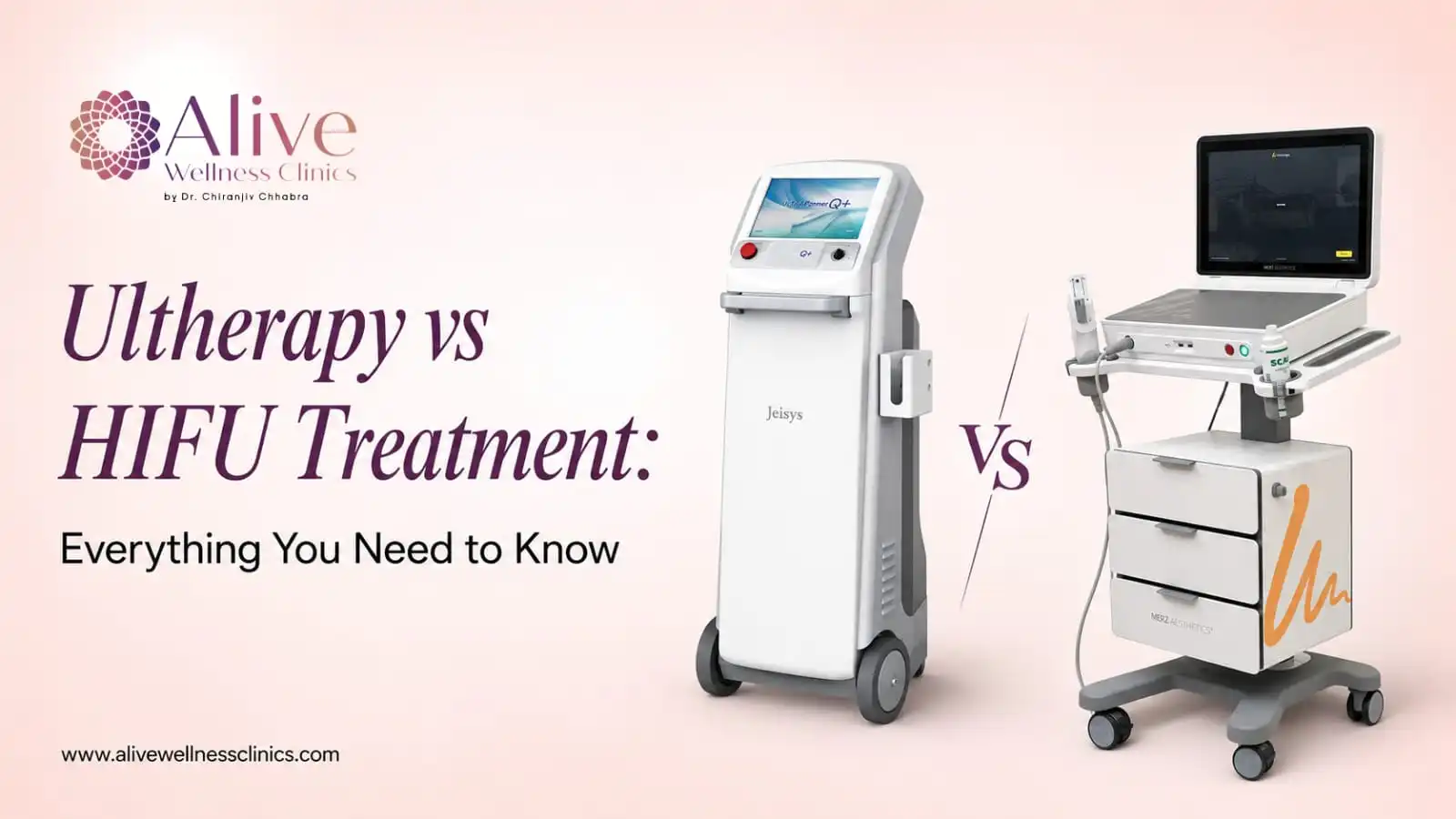
As we get older, it's natural for the skin to gradually lose collagen and elastin. Proteins that are responsible for keeping the skin firm, smooth, and resilient. This can lead to visible signs of ageing such as mild skin laxity, fine lines, and a loss of definition around body parts like the jawline and neck. There are many surgical options like surgical facelifts, but people today are exploring non invasive skin tightening treatments that fit with their daily routine.
Choosing the right skin tightening treatment can be tricky because there are so many options. It's important to understand how each procedure works and what makes them different so you can make a smart choice. Being aware of these differences helps you pick a treatment that fits your specific skin issues and what you hope to achieve.
What Is HIFU Treatment?
HIFU facial treatment uses high-intensity focused ultrasound(HIFU) is a non-invasive treatment that uses ultrasound energy to target deep layers of skin without having any effect on the surface.
The heat generated by the ultrasound process increases the body's natural collagen production, which helps in the improvement of skin firmness and elasticity over time.
Common areas for HIFU facial Treatment
Face
Jawline
Chin and under-chin area
Neck
Brow area
Upper chest
Selected body areas, depending on individual concerns
What Is Ultherapy?
Ultherapy is a non-invasive skin tightening treatment that uses micro-focused ultrasound (MFU) technology to help the body produce more collagen naturally. It is the first ultrasound-based treatment approved by the FDA for lifting and tightening the skin. Ultherapy treatment sends focused ultrasound energy to depths under the skin, which helps trigger the body's own collagen renewal process without affecting the skin's surface.
Is HIFU and Ultherapy the Same Thing?
Even though HIFU and Ultherapy are both non-invasive ultrasound treatments that help boost collagen and tighten skin, they aren't the same. They vary in the technology they use, how precise the treatment is, the results you can expect, the cost, and the overall experience during the procedure.
Feature | HIFU | Ultherapy |
Technology & Precision | Uses focused ultrasound, and the effect depends upon the device | Uses Micro- focused ultrasound with real-time imaging |
Treatment depth | Targets skin layers at varying depth (1.5- 4.5 mm) | Targets multiple depths, including the SMAS layer, with image guidance |
Pain and Downtime | Mild discomfort, little to no downtime | Mild discomfort; most people resume normal activities the same day |
Longevity of results | Results may last 6-12 months | Results may last 12-18 months with proper skin care |
Cost Difference | Generally more affordable | Expensive due to advanced technology and FDA clearance |
HIFU and Ultherapy Before and After: What Results Can You Expect?
Both Ultherapy and HIFU help the body make more collagen on its own. This means the results come slowly over time, not right away. Ultherapy before and after outcomes often show firmer, smoother, and more lifted skin over the following weeks and months. Similarly, HIFU delivers gradual improvements as collagen continues to rebuild beneath the skin.
Expected Results After Ultherapy & HIFU
Improved Skin Firmness: Your skin might feel firmer as collagen builds up.
Better Jawline Definition: The lines around your jaw may become more defined as time goes on.
Reduced Fine Lines: Small lines and wrinkles might become less noticeable.
Tighter Neck Skin: The skin on your neck could look smoother and tighter.
Enhanced Skin Texture: Your skin might feel and look smoother with better elasticity.
Natural-Looking Results: The changes happen gradually, giving you a refreshed and subtle appearance.
HIFU Treatment Cost vs Ultherapy Cost
Factor | HIFU | Ultherapy |
Starting Cost | Lower | Higher |
Technology | Standard HIFU devices | FDA- cleared Micro-focused Ultrasound with imaging |
Sessions required | May require multiple sessions | Often one session is required |
Overall investment | More economical | Higher upfront cost |
Suitable For | Individual looking for a cost effective skin tightening option | Individual seeking advanced ultrasound-guided treatment |
HIFU Treatment Side Effects, HIFU Side Effects & Ultherapy Safety
Both HIFU and Ultherapy are usually safe and comfortable when done by a skilled and experienced professional. However, like any cosmetic treatment, they can lead to some short-term side effects. Most of these reactions are not serious and go away on their own within a few hours or days. Some Ultherapy & HIFU Side Effects are :
Mild redness immediately after the procedure
Temporary swelling in the treated area
Tingling or slight numbness
Mild tenderness or soreness
Temporary sensitivity to touch
Slight bruising
Temporary tingling or nerve sensitivity
Rare Risks
Although uncommon, some individuals may experience:
Bruising
Temporary nerve irritation
Uneven treatment results
Minor burns or skin injury
Who Should Avoid HIFU & Ultherapy?
These treatments may not be suitable for:
Pregnant or breastfeeding women
Individuals with pacemakers or any kind of implanted electronic devices
People with active skin infections or open wounds in the treatment area
Individuals with severe or cystic acne in the treatment area
Those with certain medical conditions, as advised by their doctor
HIFU and Ultherapy Aftercare
Ultherapy aftercare can help it heal properly and improve the results from HIFU or Ultherapy. Both procedures usually require very little or no time off, and the steps to care for your skin are similar.
Even though most people can go back to their normal routine quickly, following your dermatologist's guidance can reduce any short-term discomfort and help your skin as it makes new collagen.
Protect Your Skin from the Sun: Use a broad-spectrum sunscreen with SPF 30 or higher and try to avoid direct sunlight.
Stay Hydrated: Drink a lot of water to keep your skin moisturised and aid in the healing process.
Avoid Harsh Skincare Products: Don't use retinoids, exfoliating acids, or strong scrubs for a few days unless your dermatologist says it's okay.
Follow a Gentle Skincare Routine: Use a mild cleanser and moisturiser to keep your skin feeling comfortable after the treatment.
Attend Follow-Up Appointments: Go to your dermatologist as recommended to check on your progress and see if more sessions are needed.
Why Choose Alive Wellness Clinics for HIFU & Ultherapy Treatment?
Choosing the right clinic is just as important as choosing the right treatment. At Alive Wellness Clinics, our dermatologists take the time to understand your skin concerns, evaluate your skin condition, and create a personalized skin booster treatment plan that fits your unique needs.
We use medically approved methods and high-quality products to ensure a comfortable and safe treatment experience, with a focus on precision and natural results. From your initial consultation to aftercare advice, our team is dedicated to helping you achieve healthier, more hydrated skin with care that is truly tailored to you.