
Uneven Skin Tone: Causes, Treatments, Prevention & Professional Solutions
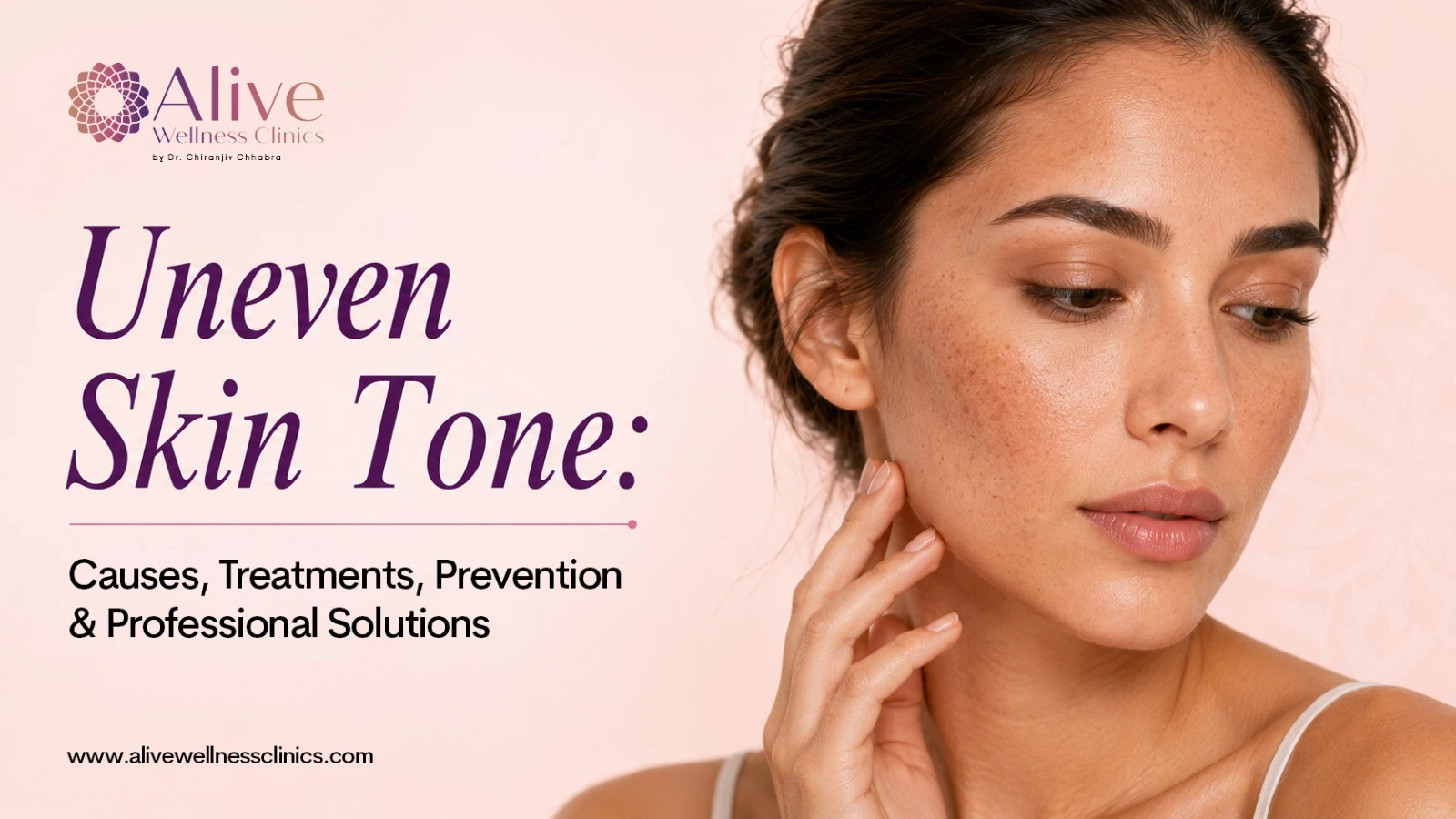
Many people have dark patches, post-acne marks, or certain areas of the skin darker than others. Uneven skin tone is common on both the face and body, making the skin look dull and patchy. Many factors lead to uneven skin, like sun exposure, acne, ageing, and hormonal changes.
There is an option that can improve your skin's appearance is uneven skin tone treatments. Everyone has their own personal skincare treatment, but some concerns require professional care. If you are worried about how to treat your uneven skin, then it's important to know the cause first. There are several ways that you can improve your skin's appearance, but using your regular skincare routine may help with mild issues but some concerns require an uneven skin tone treatment by a dermatologist.
What is Uneven Skin Tone?
Uneven skin tone includes a lot of variations in your skin’s natural colour; certain areas appear darker, lighter, reddish, or discoloured. It commonly affects the face but can also happen on the neck, chest, hands, and other parts of your body. The chance of uneven skin tone on the face is higher, as it can be caused by excess melanin production, skin inflammation, or environmental factors.
Difference Between Skin Tone and Pigmentation
Production of melanin in your body is responsible for your natural skin tone. Uneven skin tone mainly occurs due to uneven disruption of melanin. Pigmentation is one of the common causes of uneven skin tone, but a lot comes under this, like acne, redness, sun damage, and inflammation, which can also cause uneven skin tone.
How Does Uneven Skin Tone Develop?
Your skin color comes from a pigment called melanin, which is made by cells called melanocytes. If the body makes too much melanin in some parts of the skin and if it's produced unevenly, it can lead to patches that look darker or different from the rest of the skin. This can happen after the skin has been inflamed, exposed to the sun for a long time, experienced hormonal changes, or had an injury.
Factors like these cause the skin to produce more melanin than usual. Once the skin has healed, the extra pigment stays, which leads to a patchy or uneven skin tone. It's important to find out what's causing the uneven tone so you can choose the best treatment for your skin.
Common Causes of Uneven Skin Tone
There are several factors that lead to uneven skin tone, and it is important to know the cause to choose the right treatment. Some common reasons why your skin looks uneven.
Sun Exposure
Being exposed to the sun for a long period of time, and especially direct UV rays, is one of the major reasons for uneven skin tone on the face and other areas. UV rays make your skin produce too much melanin, which leads to dark spots, tanning, and an uneven look over time.
Acne marks
Acne often leaves behind dark spots known as post-inflammatory hyperpigmentation, making the skin look patchy and uneven, especially in people with medium to dark skin tones. If these marks stay despite skincare, an uneven skin tone acne scar treatment recommended by a dermatologist may help reduce pigmentation and improve overall skin texture.
Hormonal Changes (Melasma)
Hormonal changes, like pregnancy or when someone is taking certain medicines, or hormonal issues, can boost the production of melasma. This condition creates symmetrical brown or grey patches on your cheeks, forehead, nose, and upper lip, which lead to an uneven skin tone.
Ageing
As people age, years of sun exposure and slower skin cell renewal lead to age spots and uneven pigmentation. These natural changes can make your skin look less even over time.
Lifestyle Factors
Daily habits are a major thing that affects your skin health. Not protecting your skin from the sun, smoking, being exposed to pollution, high stress, poor diet, and not getting enough sleep can all contribute to uneven skin tone and make existing dark spots more noticeable.
How to Improve Uneven Skin Tone
Getting rid of uneven skin tone begins with knowing what the real cause is behind it and sticking to a regular skincare routine. It can get better with proper care, but if the pigmentation is stubborn, you might need help from a professional uneven skin tone treatment. Here are some ways to get a more even skin tone.
Stick to a Regular Skincare Routine
Using a mild cleanser, moisturizer, or any other skincare products can keep your skin healthy and slowly helps with uneven skin tone on face.
Do not use rough scrubs or products that would make your skin red or make the discoloration worse.
Apply Sunscreen Every Day
Applying sunscreen on a regular basis with an SPF 30 or higher is one of the most important steps in stopping and fixing uneven skin tone.
Sunscreen stops the skin from getting damaged by the sun, which helps in preventing tanning, dark spots, and more pigmentation.
Use Ingredients Like Vitamin C
Vitamin C is good because it makes your skin look brighter while lessening the look of pigmentation. Niacinamide helps in making your skin healthy, improves its texture, and reduces dark spots, making it a great choice for those who want to know how to fix uneven skin tone on face.
Keep Up a Healthy Lifestyle
A healthy lifestyle helps you to have clearer, more even skin.
Eating properly, staying hydrated, getting proper rest, handling stress, and not smoking can all help your skin stay healthier and make your treatment plan better.
Professional Treatments for Uneven Skin Tone
Many skincare products can help you manage mild discoloration, deep pigmentation, or long-term issues, but for major issues you might need professional treatments.
A dermatologist can suggest the most suitable procedure based on the cause of your pigmentation, your skin type, and how severe the issue is. If you're looking for uneven skin tone treatment, here are some options that may be recommended.
Intense Clarity Laser
Intense Clarity laser treatment targets extra melanin in your skin and encourages skin renewal. It helps improve sun damage, stubborn pigmentation, post-acne marks, and an uneven complexion with little to no downtime.
Cosmelan Peel
Cosmelan Peel is a professional treatment that helps reduce melasma, post-inflammatory pigmentation, and other stubborn discolorations.
It is done by controlling melanin production, which can lead to a clearer and more even-looking skin tone.
HydraFacial
HydraFacial deeply cleanses, exfoliates, and hydrates your skin, helping to improve dullness and mild pigmentation.
It's a good option for someone looking to refresh an uneven skin tone and enhance the overall glow of their skin
Skin Boosters
Skin Boosters deliver hydrating ingredients into the deeper layers of your skin to improve hydration, texture, and overall quality of skin.
Although it isn't a direct treatment for pigmentation, it can support uneven skin tone treatment by improving skin health and restoring smoother, more radiant skin.
Before and After Uneven Skin Tone: What Results Can You Expect?
The results of uneven skin tone varies from person to person, depending on the cause of the pigmentation, your skin type, and the treatment recommended by your qualified dermatologist. Before and after uneven skin tone results differ from person to person. By choosing the right treatment plan and consistent skincare, you can gradually notice brighter, smoother, and more even-looking skin.
What improvements can you expect?
More Even Skin Tone: Dark patches and uneven pigmentation may gradually become less noticeable.
Reduced Post-Acne Marks: Pigmentation caused by acne can fade, giving the skin a clearer appearance.
Brighter Complexion: Skin often looks more radiant and refreshed as discolouration improves.
Smoother Skin Texture: Professional treatments can help improve overall skin texture and quality.
Natural-Looking Results: Improvements develop gradually, giving your skin a healthier and more balanced appearance.
Long-Lasting Benefits: With proper skincare, sun protection, and dermatologist-recommended maintenance, results can be maintained for longer.
Prevention Tips for Uneven Skin Tone
Simple daily habits can make a big difference in preventing your uneven skin tone and keeping your skin looking healthy.
Wear Sunscreen Every Day
Use a broad-spectrum sunscreen with an SPF of 30 or higher every day to shield your skin from the sun UV rays and stop new dark spots from forming.
Stick to a Regular Skincare Routine
Cleanse your face, apply moisturiser, and use products that are suitable for your skin type to keep your skin in good condition.
Stay Hydrated
Make sure to drink enough water and use a good moisturiser to help your skin stay strong and look its best.
Eat a Healthy Diet
Include foods that have high antioxidants, like fruits and vegetables, in your meals to help your skin stay healthy from the inside out.
Don't Pick at Acne
Popping your pimples can cause dark spots after it heals, which can make uneven skin tone more obvious.
Why Choose Alive Wellness Clinics for Uneven Skin Tone Treatment?
Choosing the right clinic is just as important as choosing the right treatment. Alive Wellness Clinics, each and every treatment starts with a thorough skin assessment to find out the root cause of pigmentation and develop a custom treatment plan accordingly. With more than 25 years of experience in dermatology, our skin specialists blend their clinical knowledge with advanced technology to address a variety of pigmentation issues. We use USFDA-approved laser technology, advanced pigmentation treatments, and modern skin analysis to suggest solutions that fit your skin type and concerns.